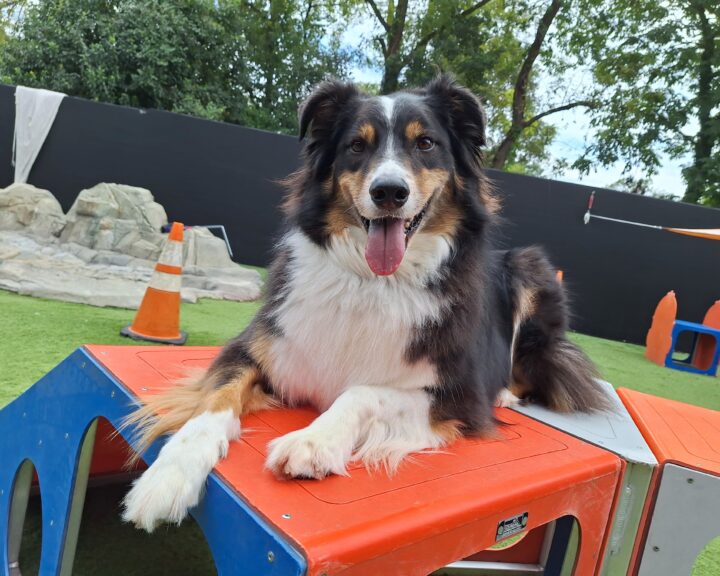
 Overnight dog boarding in Charlotte, NC has changed a lot in recent years. Today, many pet owners are not only looking for a safe place for their dogs to stay. They also want a boarding environment that supports better rest, calmer nights, and less stress while they are away.
Sleep quality matters for dogs just as it does for people. A dog that sleeps well during boarding is more likely to feel settled, eat normally, play comfortably, and return home feeling more like themselves.
For Charlotte pet owners who travel for work, family events, vacations, or emergencies, choosing the right dog boarding facility can make a meaningful difference in their dog’s experience.
How Do Overnight Dog Boarding Facilities Help Dogs Sleep Better?
Overnight dog boarding facilities help dogs sleep better by creating calm routines, comfortable resting spaces, structured daytime activity, and predictable care. Dogs often rest best when they know what to expect and feel safe in their surroundings.
They Create a Consistent Daily Rhythm
Dogs are creatures of routine. At home, they often know when it is time to eat, go outside, play, nap, and settle down for the night. When a dog enters a boarding environment, that routine changes. A well-managed boarding facility helps reduce that disruption by providing a steady schedule.
A consistent routine may include:
- Morning potty breaks
- Scheduled meals
- Supervised playtime
- Rest periods
- Evening potty breaks
- Quiet overnight hours
- Regular staff check-ins
This structure helps dogs understand the rhythm of the day. When they have enough activity, care, and downtime, they are more likely to rest at night.
They Balance Playtime and Rest
Many dogs sleep better after healthy physical activity. A boarding facility that offers supervised daycare, outdoor time, or controlled play sessions can help dogs burn energy in a positive way. However, too much stimulation can make some dogs overtired, restless, or anxious.
The best overnight dog boarding environments understand the balance between activity and rest. Active dogs may need more movement during the day, while shy or senior dogs may need shorter play sessions and more quiet time. Pet owners can also learn more about overnight boarding routines to better understand what happens after check-in.
They Provide Calm Sleeping Areas
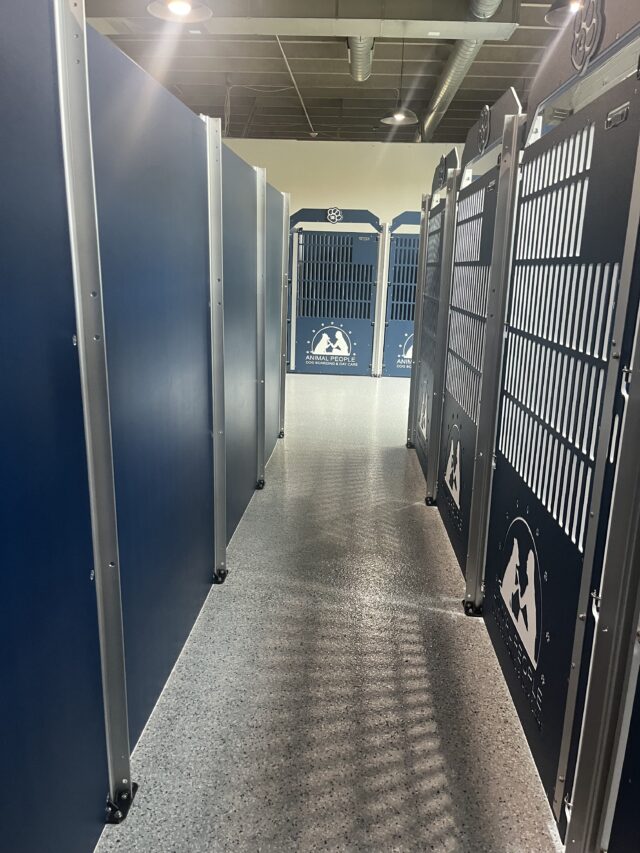
A restful boarding experience depends heavily on where the dog sleeps. Dogs need a clean, secure, and comfortable place to settle at night. The sleeping area should feel separate from high-energy play areas so dogs can understand when it is time to calm down.
A good sleeping setup may include:
- Clean bedding or raised resting surfaces
- Comfortable kennel space
- Proper ventilation
- Reduced nighttime noise
- Soft lighting or low-light conditions
- Safe separation from unfamiliar dogs
- Regular cleaning and sanitation
The goal is to give each dog a protected space where they can relax without feeling crowded or overstimulated.
They Monitor Behavior and Comfort
Dogs cannot explain when they are uncomfortable, but their behavior can say a lot. Boarding staff can watch for signs such as pacing, whining, panting, refusing food, excessive barking, hiding, or difficulty settling.
When staff members understand canine behavior, they can make small adjustments that support better sleep. This might include moving a dog to a quieter area, offering extra reassurance, adjusting playtime, or following a familiar bedtime routine provided by the owner.
They Encourage Familiar Comforts From Home
Some dogs sleep better with familiar items. Many boarding facilities allow owners to bring approved comfort items such as a blanket, toy, or something that smells like home. These familiar scents can help dogs feel more secure in a new environment.
For Charlotte pet owners preparing for boarding, it is helpful to ask what personal items are allowed and how they should be labeled.
What Features Should a Dog Boarding Kennel Have for a Restful Overnight Stay?
A dog boarding kennel should have clean sleeping spaces, safe enclosures, climate control, trained staff, structured routines, proper supervision, and areas designed for both activity and rest. These features help create an overnight stay that feels secure and comfortable.
Clean and Comfortable Sleeping Areas
Cleanliness is one of the most important features of a quality boarding kennel. Dogs should sleep in spaces that are regularly cleaned, dry, and free from strong odors. Bedding or resting surfaces should be appropriate for the dog’s size, age, and comfort needs.
A clean sleep environment helps reduce stress and supports overall health. It also helps dogs settle more easily because they are not distracted by discomfort or unpleasant smells.
Climate-Controlled Spaces
Charlotte weather can be hot and humid in the summer and chilly during parts of winter. A dog boarding facility should offer climate-controlled indoor areas to keep dogs comfortable overnight.
Temperature matters because dogs may struggle to sleep if they are too hot or too cold. Senior dogs, puppies, short-nosed breeds, and dogs with health concerns may be especially sensitive to temperature changes.
Noise Management
Dogs have sensitive hearing. A boarding environment with constant barking, loud cleaning equipment, slamming doors, or heavy traffic noise can make it harder for dogs to sleep. While no facility can be completely silent, a thoughtful kennel design can reduce unnecessary noise.
Helpful noise-control features may include:
- Separate sleeping and play areas
- Quiet overnight hours
- Calm staff handling
- Soft-close doors or gates
- Thoughtful kennel spacing
- Reduced late-night disruptions
A quieter environment can help nervous dogs relax more easily.
Secure and Properly Sized Kennels
A dog’s overnight space should be secure and appropriately sized. The dog should have enough room to stand, turn around, and rest comfortably. The enclosure should also prevent escape, unsafe contact with other dogs, or accidental injury.
Security is especially important for dogs that are anxious in new environments. A safe enclosure helps prevent pacing, climbing, or other stress-related behaviors.
Trained and Attentive Staff
Facility features matter, but staff quality matters just as much. Dogs sleep better when they are cared for by people who understand their needs. Trained staff can recognize signs of stress, manage group play safely, follow feeding instructions, and keep the boarding routine calm.
Pet owners should feel comfortable asking about staff experience, overnight procedures, emergency protocols, and how dogs are monitored during their stay. Reading customer reviews can also provide additional insight into real boarding experiences.
Separate Spaces for Different Temperaments
Not every dog enjoys the same environment. Some dogs love social play, while others prefer quiet space. A quality overnight dog boarding facility should recognize that dogs have different personalities.
Separate spaces can help accommodate:
- Social dogs
- Shy dogs
- Senior dogs
- Puppies
- Dogs that need more rest
- Dogs that prefer one-on-one attention
- Dogs with lower tolerance for noise or activity
This flexibility can make the overnight experience less stressful and more restful.
Safe Outdoor and Potty Areas
Dogs may have trouble settling if their bathroom routine is disrupted. A boarding facility should provide safe potty breaks and clean outdoor or designated relief areas. For many dogs, being able to relieve themselves before bedtime helps them sleep more comfortably through the night.
 Can a Comfortable Overnight Boarding Environment Reduce a Dog's Stress and Anxiety?
Yes, a comfortable overnight boarding environment can reduce a dog’s stress and anxiety by helping them feel safe, supported, and less overwhelmed. While some dogs may still need time to adjust, the right environment can make boarding feel much easier.
Comfort Helps Dogs Feel Secure
Dogs often become anxious when they do not understand what is happening. A comfortable boarding environment provides structure, safety, and reassurance. When dogs know where they sleep, when they eat, and when they go outside, the experience becomes more predictable.
Predictability is one of the best ways to reduce stress in a new setting.
Rest Prevents Overstimulation
Some dogs become anxious not because they lack activity, but because they do not get enough rest. Busy play areas, new dogs, new smells, and unfamiliar people can be exciting but also exhausting.
A facility that includes scheduled rest periods gives dogs time to decompress. This is especially important for dogs that are sensitive, young, older, or not used to group environments.
Staff Interaction Can Make a Big Difference
Gentle human interaction can help many dogs feel reassured. Calm voices, patient handling, and positive attention can support dogs that are unsure about being away from home.
Some dogs need a little encouragement to eat. Others need time to warm up before joining play. A caring staff can adapt to the dog’s personality instead of expecting every dog to respond the same way.
A Well-Planned Environment Reduces Common Stress Triggers
Stress in boarding can come from several sources, including noise, overcrowding, lack of routine, unfamiliar dogs, or uncomfortable sleeping areas. A better boarding environment reduces these triggers through thoughtful design and management.
Helpful stress-reducing practices include:
- Keeping sleeping areas separate from play areas
- Avoiding overcrowding
- Following feeding instructions
- Providing calm transitions
- Monitoring group play
- Offering rest breaks
- Keeping spaces clean and comfortable
- Communicating with owners about special needs
When these details are handled well, dogs are more likely to settle into the boarding routine.
Owner Preparation Also Helps Reduce Anxiety
Pet owners can help their dogs adjust by preparing before the stay. A short trial day, daycare visit, or one-night stay may help dogs become familiar with the facility before a longer boarding reservation.
Owners can also provide clear instructions about feeding, medications, bedtime habits, fears, and comfort items. The more the boarding team knows, the better they can support the dog.
Is Overnight Dog Boarding Safe for Dogs That Have Trouble Sleeping Away From Home?
Overnight dog boarding can be safe for dogs that have trouble sleeping away from home when the facility understands canine stress, offers a calm sleeping environment, and follows the dog’s care needs closely. The right boarding setup can help many dogs adjust more comfortably.
Some Dogs Need Extra Support During Overnight Stays
Not every dog settles easily in a new place. Some dogs may pace, bark, whine, refuse food, or wake often during the night. This does not always mean boarding is impossible. It means the dog may need a more thoughtful approach.
Dogs that may need extra support include:
- Puppies boarding for the first time
- Senior dogs
- Rescue dogs
- Dogs with separation anxiety
- Dogs with medical needs
- Dogs that are noise-sensitive
- Dogs that are not used to sleeping away from home
A good boarding facility will ask questions about the dog’s behavior and routine before the stay.
Safety Depends on Supervision and Communication
Pet owners should choose a facility that communicates clearly about safety procedures. This includes how dogs are monitored, how emergencies are handled, and how staff respond if a dog appears stressed.
Important questions to ask include:
- Are dogs separated overnight?
- How are feeding instructions followed?
- What happens if my dog does not eat?
- How are anxious dogs supported?
- Are medications administered if needed?
- What emergency vet procedures are in place?
- Can I bring a familiar blanket or toy?
- How are dogs grouped during play?
Clear answers help owners feel more confident about the boarding decision.
Trial Visits May Help Nervous Dogs
For dogs that struggle with sleep in new places, a gradual introduction may help. A dog may start with daycare, then a short overnight stay, then a longer boarding stay. This gives the dog time to build familiarity with the facility, staff, smells, and routine.
In a city like Charlotte, where many owners travel through Charlotte Douglas International Airport or leave for weekend trips to the mountains or coast, planning ahead can make boarding less stressful for both dog and owner.
Medical Needs Should Be Discussed Before Boarding
Dogs with health conditions, medications, mobility issues, or special sleep needs should be discussed before booking. Some dogs may need extra bedding, specific feeding times, limited activity, or medication support.
A professional facility will want accurate information so they can provide the safest care possible.
Dogs Often Improve With Familiarity
Many dogs sleep better after they have boarded at the same place more than once. Familiar staff, consistent routines, and repeated positive experiences can help a dog feel more comfortable over time.
For dogs that are nervous at first, consistency can be very helpful. Returning to the same trusted boarding facility may reduce anxiety because the environment becomes less unfamiliar.
Restful Overnight Care With Animal People Dog Boarding & Day Care
Choosing overnight dog boarding is about more than finding a place for your dog to stay. It is about finding a caring environment where your dog can feel safe, comfortable, and supported while you are away.
At Animal People Dog Boarding & Day Care, they understand that better sleep can lead to a better boarding experience. Whether your dog is social, shy, energetic, senior, or new to boarding, their team takes time to understand their needs.
For Charlotte pet owners, that kind of thoughtful care can make travel easier and help dogs return home happy, rested, and well cared for. To learn more about available services or schedule a stay, contact the team.